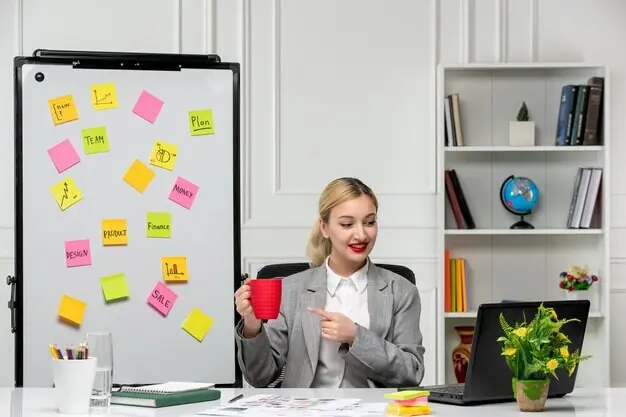
Lead Growth in Minutes: Micro‑Coaching Cards for Everyday Soft Skills

Today we’re diving into manager-led micro-coaching cards for everyday soft skills practice—short, structured prompts leaders use daily to spark reflection, feedback, and action. Expect practical examples, science-backed tips, and small rituals you can run between meetings without adding more meetings. Join in, test a card, and tell us what changed.

Why Five Minutes Work Wonders

Five focused minutes can outpace an hour because attention, emotion, and context align when guidance arrives at the point of need. These bite-size conversations harness spacing, retrieval, and immediate application, letting skills move from theory to behavior. Try pairing a card with a real task, then circle back tomorrow to strengthen recall.

The Science of Small Doses

Micro-learning thrives on two powerful effects: spacing and retrieval. A quick prompt nudges memory to rebuild pathways, especially when paired with real stakes. Managers who ask one focused question daily help teammates practice recalling, applying, and adjusting, which compounds into observable habits within weeks, not quarters.

From Manager to Everyday Coach

When leaders trade monologues for curious questions, coaching becomes part of the air people breathe. A lightweight card lowers pressure, sets purpose, and invites voice. Colleagues feel seen, share context, and co-create options, while the leader guides pace and clarity without stealing ownership or momentum.

Consistency Over Intensity

Short daily practice outperforms rare heroic efforts because skills reshape through repetition in varied situations. Using one card each day builds a rhythm your calendar can tolerate. The habit sticks, resistance fades, and confidence grows as small wins stack into reliable, peer-noticed improvements that actually survive busy seasons.

Designing Cards That Spark Real Conversations

Great cards feel like a helpful colleague, not a worksheet. Each includes a relatable scenario, one sharp question, a bias-aware nudge, and a micro action customers or teammates will notice today. Language stays human, examples honor diversity, and finish lines are tiny, visible, and emotionally satisfying.

Running a Week of Micro-Coaching

Structure beats willpower. Map five cards to real moments your team already has: morning standups, handoffs, code reviews, customer callbacks, or debriefs. Keep stakes low, intentions clear, and outcomes observable. If something feels awkward, adjust execution, not purpose, then gather quick feedback and iterate Friday.

Essential Soft Skills to Practice Daily

Choose capabilities customers and peers feel immediately: listening, feedback, clarity, empathy, prioritization, and calm under pressure. Rotate gently so fatigue stays low and momentum stays high. Frame each practice with a purpose, a question, and a do-now behavior your team can observe in action.

Active Listening in Messy Meetings

When conversations tangle, use a card that asks teammates to summarize another person’s point before adding their own. This slows reactivity, reduces interruptions, and reveals assumptions. Practice two rounds, switch roles, and end by agreeing on one clarified decision or question carried into execution.

Feedback That Lands Without Sting

Invite managers to anchor on observable behaviors, shared goals, and a forward-looking request. A simple script—notice, impact, ask—keeps dignity intact. Pair it with a self-check card about your own contribution to the problem, so feedback sounds collaborative rather than accusatory or conveniently one-sided.

Decision-Making Under Time Pressure

Use constraints as clarity tools. The card can ask for a two-minute risk scan, a bias check, and a pre-commit plan. Decide, document the smallest reversible step, and set a revisit trigger. The cadence reduces paralysis while preserving accountability and measurable learning loops.

Measuring Progress Without Killing Momentum

Track signals that people respect, not vanity dashboards. Count attempts, note customer cues, and collect short reflections tied to specific cards. Use a weekly heatmap to spot bright spots and gaps, then copy what works. Keep reporting under five minutes so attention stays on practice.

Tiny Metrics That Matter

Measure leading indicators like frequency of paraphrasing, number of feedback moments initiated, or decisions documented with next-step triggers. These are small, observable, and coachable. When they climb, lagging outcomes—NPS, cycle time, quality—typically follow, without turning development into a bureaucratic burden that drains energy.

Peer Signals and Customer Echoes

Ask teammates to spot and note positive deviations: a calmer escalation, a clearer handoff, a kinder correction. Pair these with customer comments, call snippets, or ticket tags. Together they create a narrative arc that numbers alone miss, guiding smarter coaching choices next week.

Retros That Respect Calendars

End-of-week reviews should feel like relief, not a meeting tax. Use a single slide: what we tried, what moved, what to repeat, what to stop. Ten minutes, three voices, one decision. Momentum survives, learning compounds, and calendars breathe again without endless postmortems.


Real Stories from the Floor

Change becomes believable through lived moments, not slogans. These brief snapshots show how a simple card reframed a tense exchange, unlocked a shy voice, or simplified a thorny decision. Use them as sparks for your next huddle, and share your own story back with us.

Make It Stick: Rituals, Reminders, and Rewards

Sustainability comes from culture, not heroics. Anchor cards to existing rhythms, add gentle nudges, and celebrate observable improvements quickly. Use wall reminders, chat bots, and buddy check-ins. Recognize behavior publicly and specifically, and invite teams to submit new card ideas so ownership spreads.
Tarilumakentoravolento
Privacy Overview

This website uses cookies so that we can provide you with the best user experience possible. Cookie information is stored in your browser and performs functions such as recognising you when you return to our website and helping our team to understand which sections of the website you find most interesting and useful.